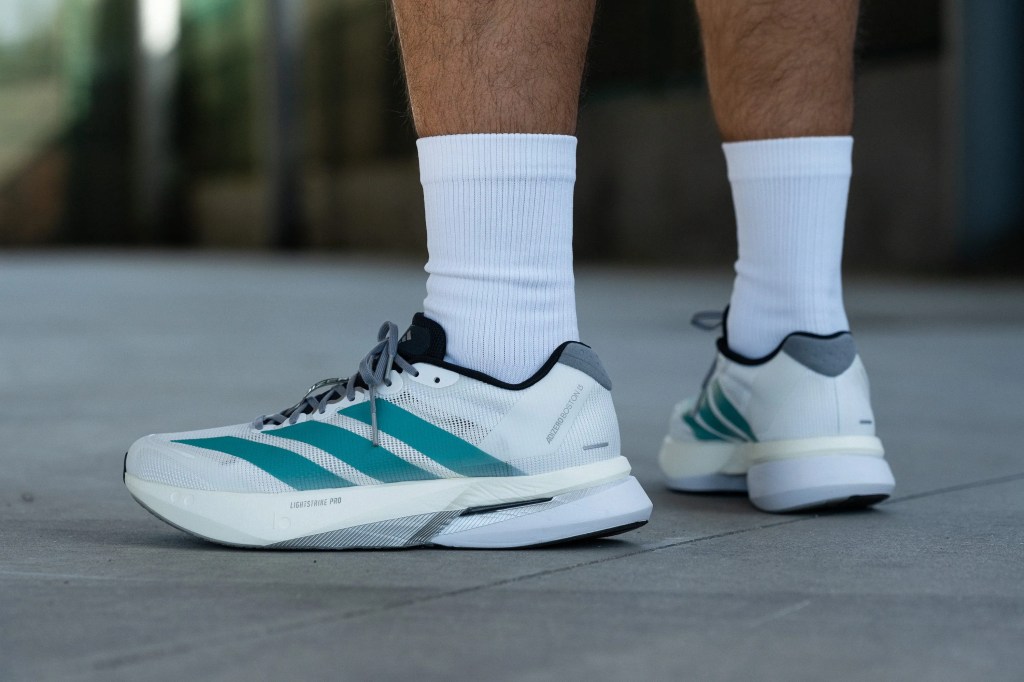
350 km update: My view changed with more miles. The cushioning felt more worn than my Boston 12s at the same distance, and I ended up preferring the 12 overall. Read my Boston 13 review after 350 km for the longer-term verdict. The original first-impressions review follows.
This post contains affiliate links. As an Amazon Associate I earn from qualifying purchases.
I’ve been running in the Adidas Boston line for a while now, and after putting the Boston 12 through its paces last year, I was curious whether the 13 would be a meaningful upgrade or just a fresh colourway slapped on the same shoe. After a few weeks of regular use, including a self-induced half marathon that got me to my second best time ever, I’ve got some thoughts.
Short answer: if you’ve been in the Boston family, now is a good time to come back.
The Fit
Right out of the box, the 13 felt snugger than the 12. The toe box has actually narrowed slightly compared to its predecessor, so if you had extra room in the 12, you’ll notice the difference. That said, the upper is genuinely more comfortable overall. Adidas addressed one of the most common complaints about the 12, which was the minimal padding around the collar and tongue. The 13 fixes that. The heel lockdown feels more secure, and there’s no tongue slide during runs, which was an occasional annoyance with the previous version.
The Ride
This is where it gets interesting. On paper, the 13 has slightly less stack height and a lower drop than the 12. You’d think that means less cushioning. But because Adidas increased the proportion of their softer Lightstrike Pro foam by about 14%, the shoe actually feels more responsive underfoot, not less. It broke in quicker than the 12 did for me, though I’ll be honest, some of that might just be where I’m at in my training right now.
I’ve always preferred a more natural feeling shoe over something maximalist, and the Boston 13 sits right in that sweet spot. It’s firm enough that your foot still has to do some work, but there’s enough snap to make tempo runs feel good. I used it for a half marathon a couple weeks back and it held up well start to finish.
The Carbon Rod Thing
One thing worth clarifying for anyone new to the line: the Boston 13 uses carbon rods, not a full carbon plate. You’ll hear a lot about carbon plates in higher-end race shoes, and how they add a springier, more propulsive feel underfoot. The rods in the Boston work differently. They add stiffness and structure to the midsole without the full plate setup, which keeps the price reasonable while still giving you some of that energy return. It’s a smart middle ground for a shoe that’s meant to handle both daily training miles and the occasional race.
The Price
At around $160 USD, this holds its own against comparable trainers. When you factor in the durability of the outsole, which uses the same Lighttraxion rubber found in Adidas’s flagship race shoe, you’re getting a shoe that should last well beyond what cheaper options offer.
Who Should Buy It
If you’ve run in any previous Boston and liked it, the 13 is a solid step forward. The upper improvements alone make it worth the upgrade. If you’re newer to the line and looking for a versatile shoe that can handle daily miles, tempo runs, and even race day for distances up to a half marathon, this is worth a look. Just be aware it runs a bit narrow, so if you’re wide-footed, try before you buy. Find it on Amazon here.
Boston 12 vs Boston 13: Side-by-Side
| Adidas Boston 12 | Adidas Boston 13 | |
|---|---|---|
| Weight | 9.2 oz (261g) | 9.0 oz (254g) |
| Stack Height | 38mm heel / 31mm forefoot | 36mm heel / 30mm forefoot |
| Drop | 7mm | 6mm |
| Upper | Minimal padding, tongue slide issues | Padded collar + tongue, semi-gusseted |
| Recommended Use | Daily trainer / tempo | Daily trainer / tempo / half marathon race |
| Price | ~$160 USD | ~$160 USD |
| Key Tech | EnergyRods, Lightstrike Pro | EnergyRods 2.0, 14% more Lightstrike Pro, Lighttraxion outsole |
Read about the half marathon I mentioned — a solo effort I had no business running but somehow pulled off. And if you’re weighing this against the older model, here’s my original Boston 12 review.


Leave a comment